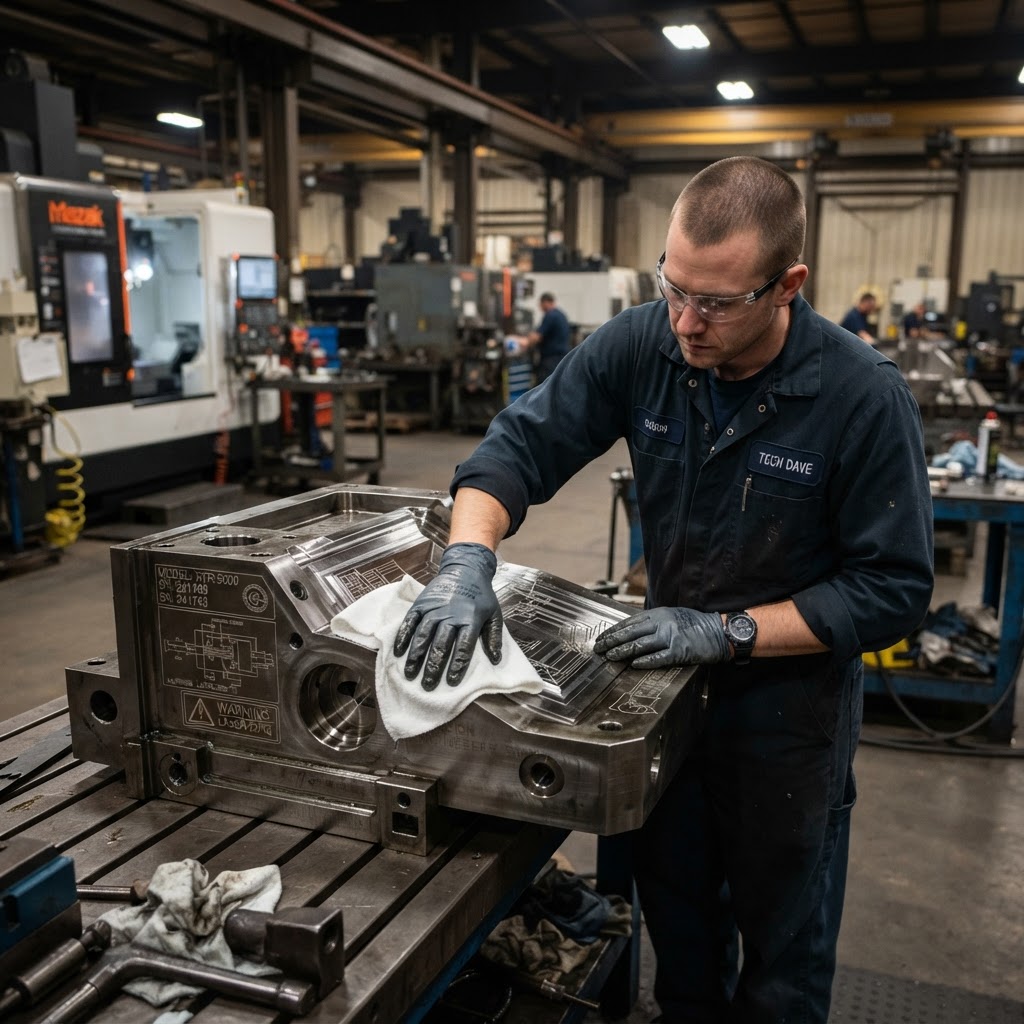
How to Clean and Maintain Engraved Metal Parts in Industrial Settings
Need this made for your team?
Send your artwork or idea and we will come back with a price in one business day. Bulk pricing available.
I remember a customer walking into our shop here in New Braunfels about a year ago, holding a metal identification plate that looked like it had been dragged behind a truck for ten miles. He was frustrated because he could barely read the serial numbers, and he was worried he might have to replace the whole batch. When I took a closer look, it wasnt the laser engraving that had failed. It was just decades of industrial grime, oil, and surface oxidation hiding the mark.
We see this all the time. People spend good money to get parts laser marked for traceability or branding, but then they treat the metal like it is indestructible. Look, laser engraving is incredibly durable, but even the best mark can disappear under a thick layer of grease or rust. If you want your industrial parts to last, you have to treat them with a little bit of care. Here is how we handle it.
Why that mark disappears
The first thing to understand is that cleaning engraved metal isnt about scrubbing the laser mark off. You are cleaning the debris out of the grooves. When we laser engrave a part at Perfect Etch, we are actually removing or altering the surface material to create a high contrast mark. That mark has depth and texture. When grease, dust, or metal shavings fill those grooves, the light cannot hit the mark the right way. That is why it looks like it is fading. Honestly, most of the time the mark is perfectly fine. It just needs a bath.
The right way to clean industrial parts
You do not need fancy chemicals to get these parts looking sharp again. In fact, some of those heavy duty industrial cleaners can do more harm than good if they are too acidic or basic. I always tell my neighbors here in Central Texas to start with the simplest solution. A mixture of warm water and a mild dish soap is often all you need.
Get a soft bristled nylon brush. Skip the wire brushes entirely. Using a wire brush on a clean metal surface will leave scratches that can actually trap more dirt later on. Dip your nylon brush in the soapy water and work it in a circular motion over the engraving. The goal is to lift the oil and grime out of those tiny crevices. Once you have scrubbed the area, rinse it thoroughly with clean water. This part is critical. If you leave soap residue behind, it can attract dust and grime even faster than before.
Drying is just as important as washing
Here is a detail most people skip. Never let your metal parts air dry if you want them to stay pristine. Water is the enemy of raw metal, and even stainless steel can develop surface spotting if it sits wet for too long. After you rinse the part, grab a clean microfiber cloth. Wipe it down until it is bone dry. If you are dealing with a part that has complex geometry or deep engravings, use a bit of compressed air to blow the moisture out of the grooves. If you live in a humid area like we do near the Guadalupe River, that moisture can turn into a rust spot before you even realize it happened.
Handling heavy grease and stubborn oil
Sometimes soapy water just will not cut it. If you are working in a machine shop, you are probably dealing with heavy cutting oils or thick grease. When that happens, reach for a little bit of isopropyl alcohol. It cuts through the oil without leaving a residue, and it evaporates quickly. Just put a little on a clean rag and wipe the area. If the oil is really stuck in the engraving, let the rag sit on top of the mark for a minute to soften the grime before you give it a final wipe. Avoid using harsh solvents like acetone unless you are absolutely sure the material underneath can handle it. Some finishes on metal parts can react poorly to aggressive chemicals, and you do not want to strip the protective coating off the metal while you are trying to clean the mark.
What to do about surface rust
If you are maintaining metal signs or tags that have been outdoors, you might see some surface rust. This is a common issue for parts sitting in a shop yard or on a remote job site. Do not panic. You can remove light surface rust with a light abrasive pad. Use a fine grit pad and be gentle. You want to touch the surface, not dig into it. Keep the motion light and consistent. Once the rust is gone, wipe the surface with a bit of mineral oil. This creates a thin barrier that protects the metal from moisture. It keeps the engraving looking crisp and prevents that rust from coming back the following week.
Thinking about the environment
Everything we do here in New Braunfels affects our local water supply. When you are cleaning metal parts, think about what is coming off them. If you are working with heavy industrial lubricants, do not just wash that water down the drain. Collect the dirty water and dispose of it at a proper waste facility. It is a small step, but it is one that keeps our part of Texas looking as good as our custom signs.
We take a lot of pride in the work we do at Perfect Etch. Whether it is a batch of custom drinkware for a local brewery or a series of industrial asset tags for a construction company, we want those marks to last. Keeping them clean is the best way to make sure that investment pays off. If you ever have a question about how to care for a specific material or finish you got from us, just swing by the shop. We are always happy to chat about the best ways to keep your metal looking brand new, whether you are trying to keep a laser marked serial number legible or just keeping your custom signs shining in the sun.
Tell us about your project
Share the basics and we will come back with pricing, options and a timeline. No obligation.